
Celebrating Social, Moral, Spiritual and Cultural Diversity
SMSC class representatives and Pupil Voice class representatives met and decided on the celebrations around the world and in Britain that we haven’t yet celebrated and they would like to learn more about. The below table shows the children’s choices. Religions are taught throughout the year, in all year groups, in accordance with Stoke on Trent’s agreed syllabus.
At Newstead Primary Academy, we provide many opportunities for our children to Personally Develop. Providing the children with learning opportunities beyond the classroom and a curriculum that gives a diverse look at the world around us. We ensure that our curriculum is diverse and provides children with Spiritual, Moral, Social and Cultural understanding, as well as making them a great British citizen and understanding how the British Values are filtrated to all parts of the School day.

| 2025/2026 | Celebration/Festival/Historical Event Day | |
|---|---|---|
| Autumn 1 | ||
| 21/10/25 | Diwali - Hindu religious observance Actual date of celebration - 21/10/25 | |
| Autumn 2 | ||
| 11/11/25 | Remembrance Day Actual date of celebration - 11/11/25 | |
| Spring 1 | ||
| 10/02/26 | Shrove Tuesday (afternoon only) Actual date of celebration - 17/02/26 | |
| Spring 2 | ||
| 19/03/26 | Eid al Fitr - Muslim religious observance Actual date of celebration - 20/03/265 | |
| Summer 1 | ||
| 24/04/26 | St. George's Day Actual date of celebration - 23/04/26 | |
| Summer 2 | ||
| 26/06/26 | United Kingdom Armed Forces Day Actual date of celebration - 27/06/26 |
Diwali - 21st October
Nursery
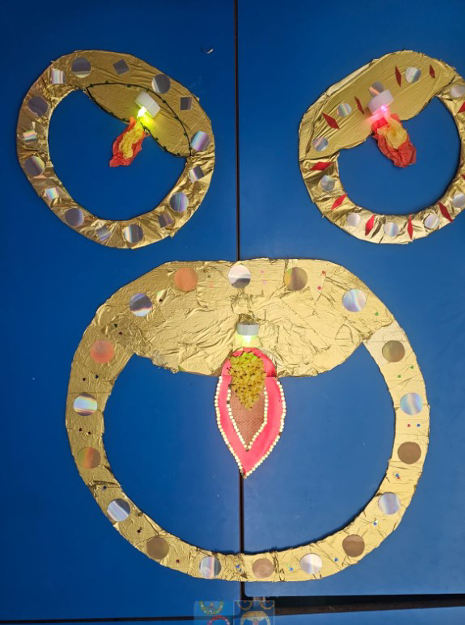
In Nursery we have been learning lots aboutDiwali, the festival of light! We have looked at how Hindu’s celebrate Diwali and the story of Rama and Sita. We have listened to Diwali music all day, created lots of diya lamps using clay, decorated our own diya lamps using tissue paper and sequins and have explored traditional dances.


Reception
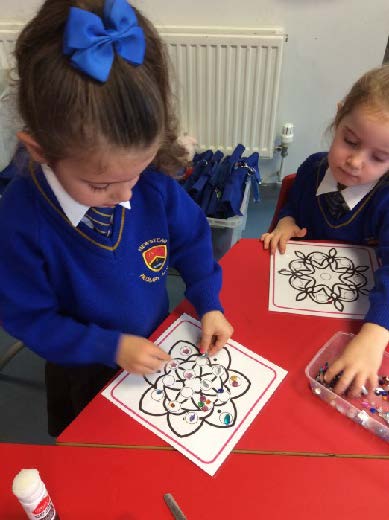
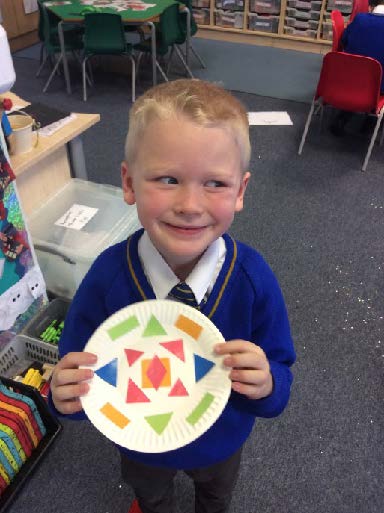
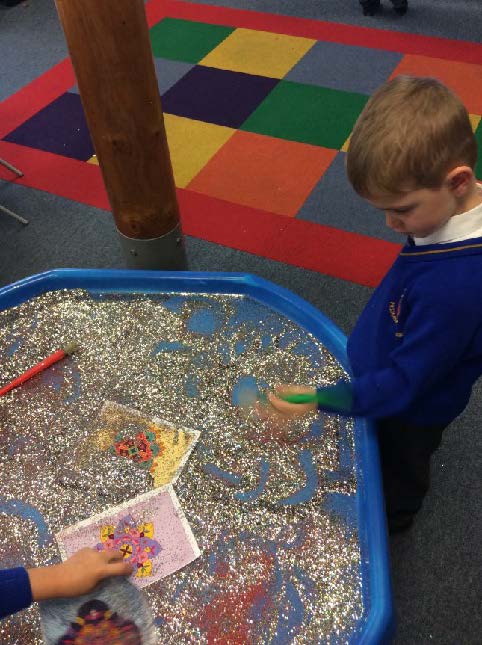
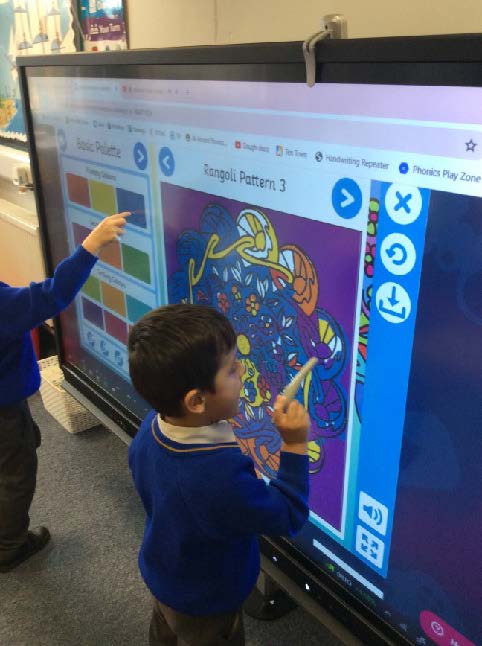
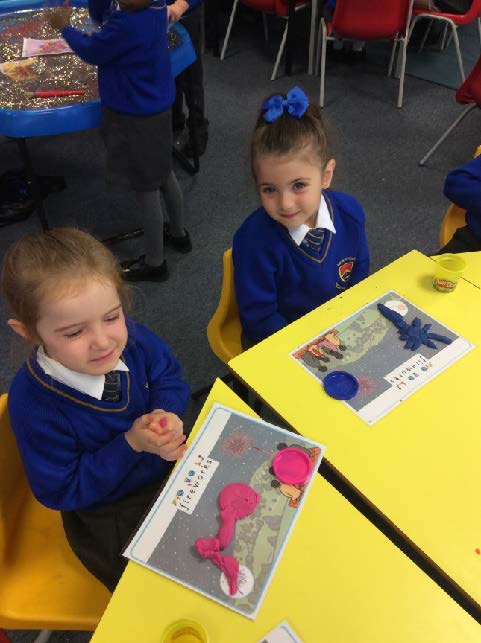
In Reception we have looked at Diwali, the festival of light! We have looked at how Hindu’s celebrate Diwali—they have a family feast, they go to the Temple, they light fireworks and make Diya lamps! Reception have spent the day making fireworks out of playdough, making Rangoli patterns using plates, shapes and glitter. We also built Temples using Lego. We have listened to Diwali music all day and sorted true and false facts.


Year 1
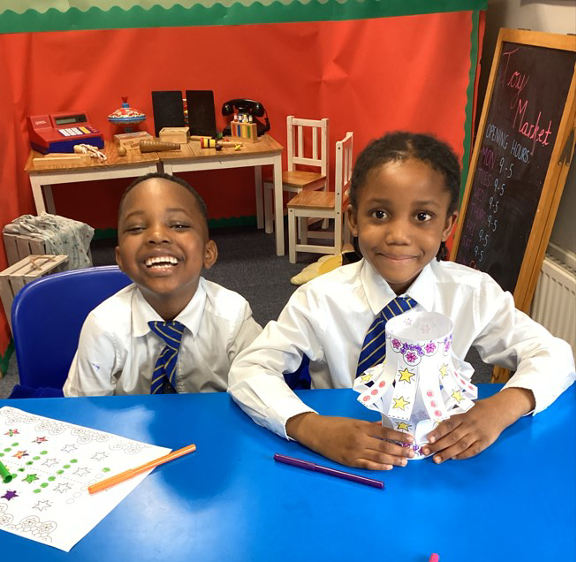
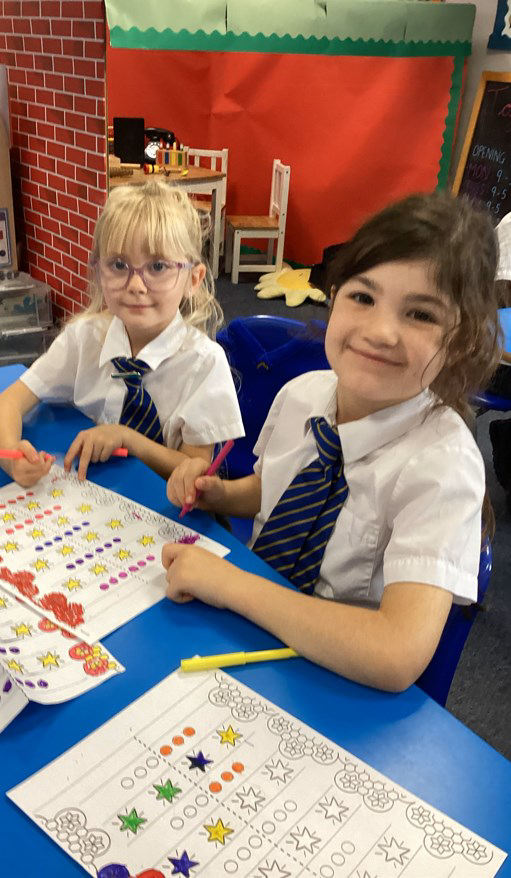
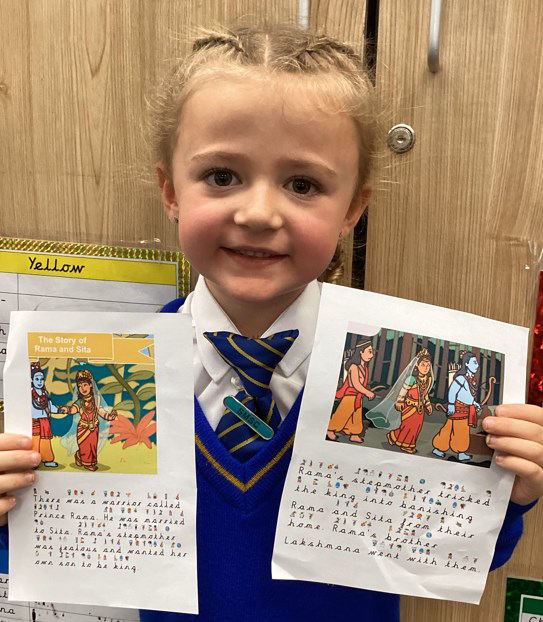
Today, we discussed what Diwali is and why people celebrate it. We looked at the story ‘Rama and Sita’ and had a go at sequencing and retelling the story. We then had a go at making our own Diwali lanterns.

Year 2
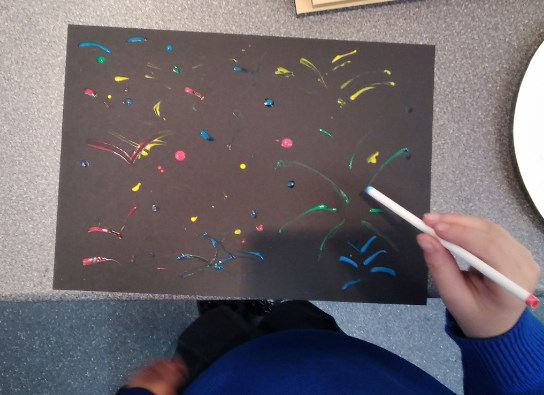
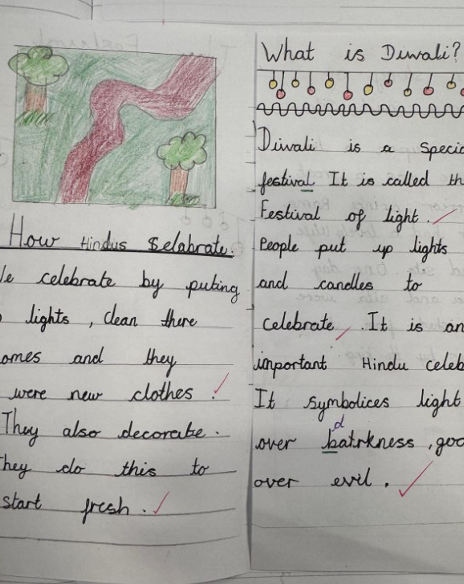
The children have listened and discussed what happens during Diwali. We then wrote a postcard from the point of view of a child celebrating Diwali. The children have had the opportunity to create a firework silhouette. This was enjoyed by all and great fun!

Year 3
In Year 3, we spent time discussing Diwali, including how and why Sikh and Hindu people celebrate the festival. We used the information that we had learned to complete a fact file all about the festival. We also watched a video about the story of Rama and Sita, and retold the story to our friends. As well as this, we created our own Diwali paper chain and created a collaborative mural.

Year 4
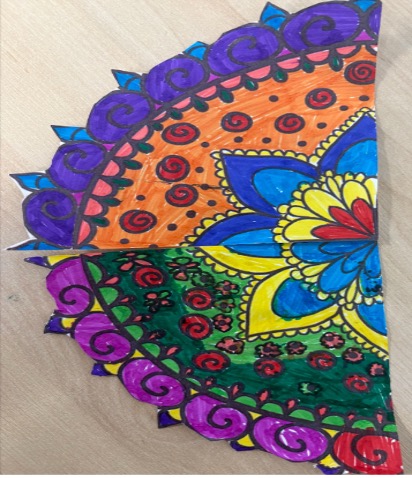
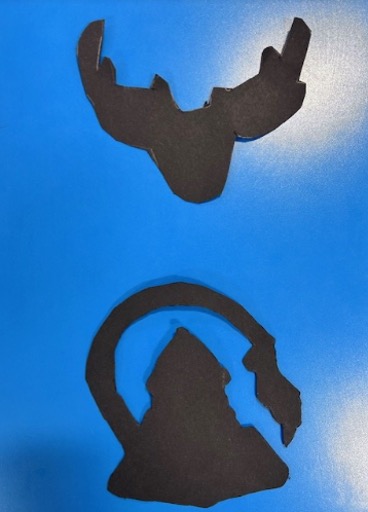
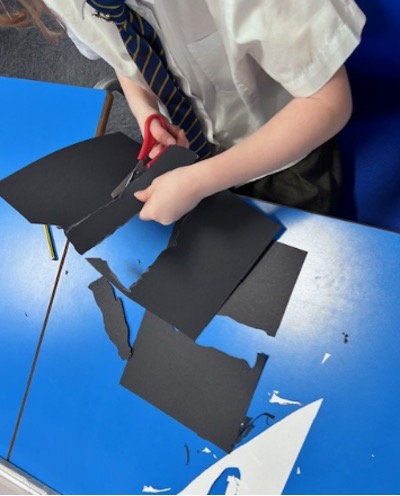
Today, we have spent time celebrating Diwali (A Hindu festival of Light). Diwali is centred around light triumphing over dark and good defeating evil. Together we read the story ‘Rama and Sita’. To highlight what we have learnt, we have written a diary entry from the perspective of Rama or Sita. The story Rama and Sita links to the tradition of lighting Diyas (Hindu lamps) to start the Hindu new year! We also created shadow puppets of the key figures from this story to go with the key theme of light!

Year 5
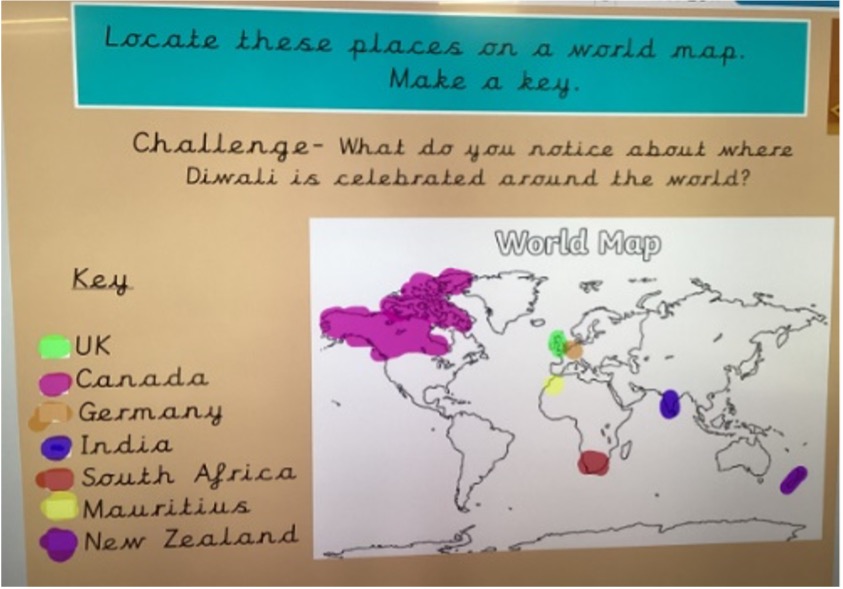
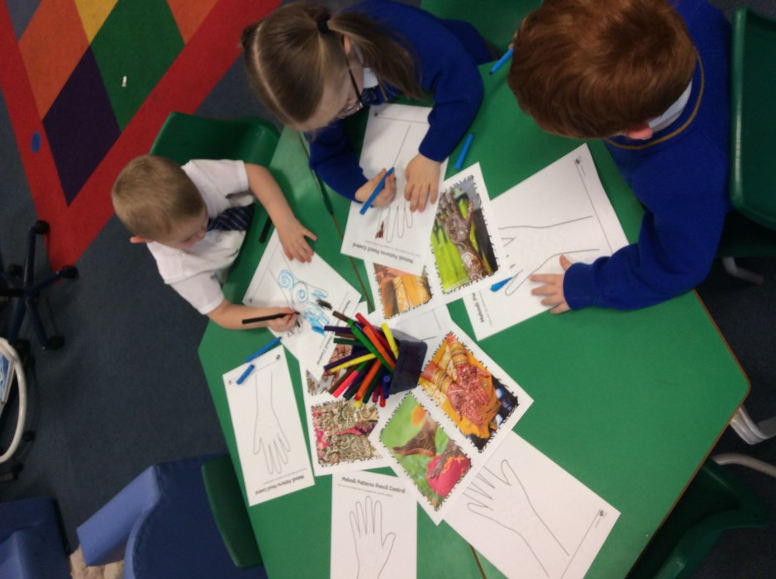
Today we have learnt about Diwali. It is a festival of light and a huge celebration. People all over the world celebrate and show an understanding and respect for the Hindu community. We started the morning learning about the story Rama and Sita, which teaches us that light defeats darkness. How good always wins over evil. We then looked at a world map and identified all the different countries who celebrate Diwali and how they celebrate. We discovered that most places have a three day festival with music, traditional food and dancing, plus the whole place is usually lit up with colourful lights, candles and fireworks. We then went on to write our very own newspaper report, sharing information about how Diwali is celebrated in our chosen country. In the afternoon, we created Henna art using our hands, paper and brown pencil crayons. We took extra care to add intricate details. They looked fabulous!



Year 6
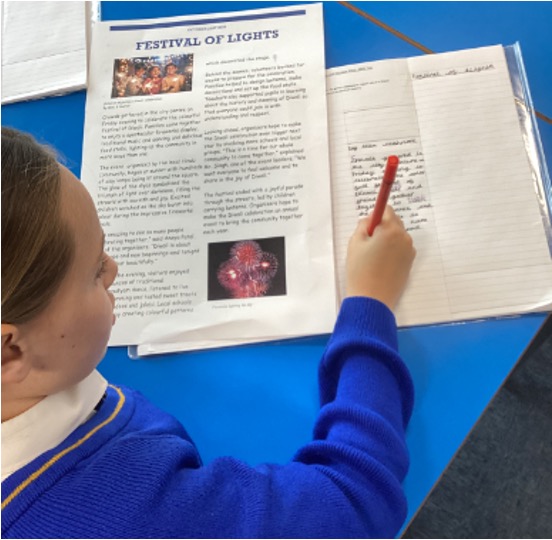
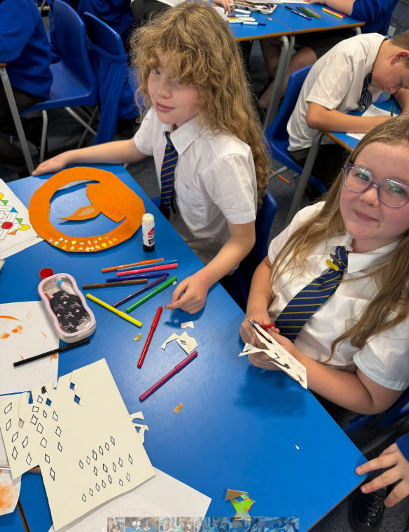
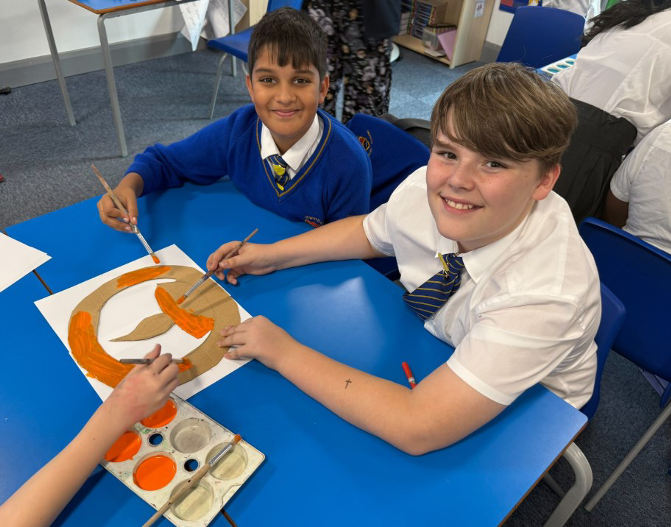
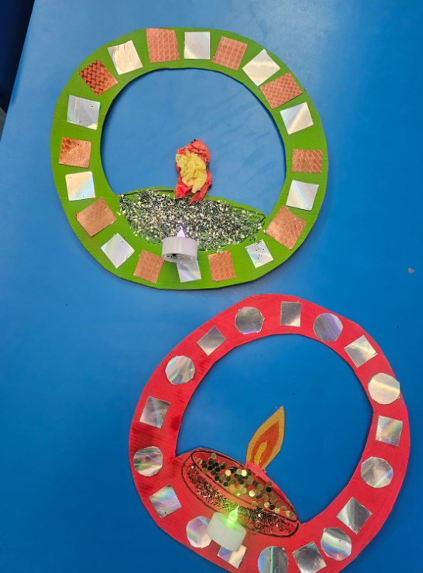
Year 6 have had a wonderful day, immersing themselves into their learning of Diwali. The children started the day by looking at the story of Rama and Sita, before creating a persuasive leaflet for the community to encourage them to take part in a Diwali celebration. In the afternoon, we created our very own decorative diva lamps!


Remembrance Day - 11th November
Nursery
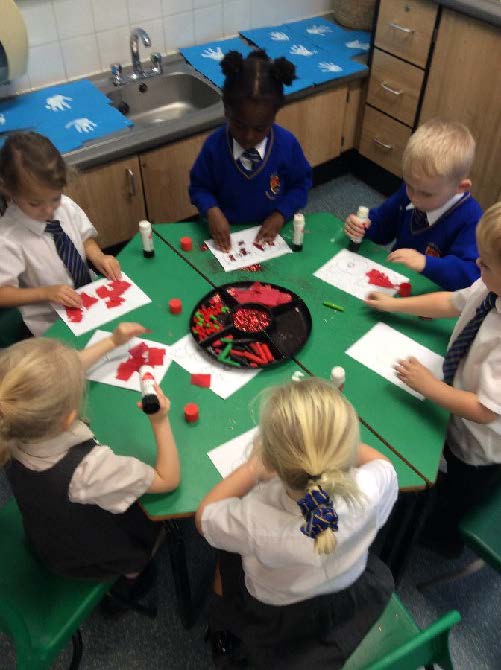
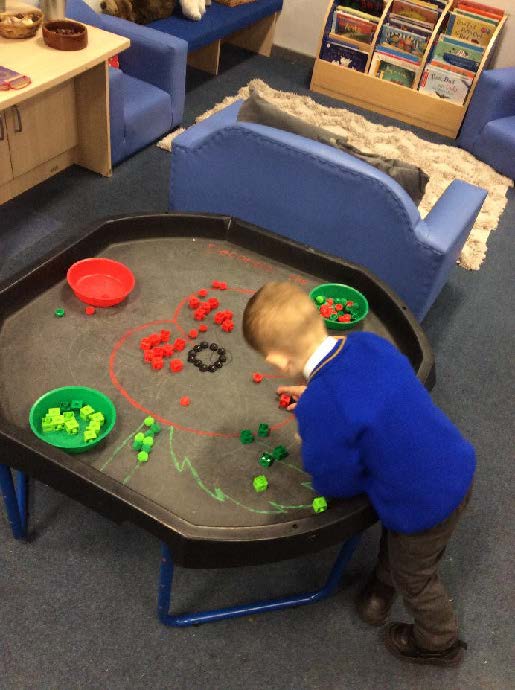
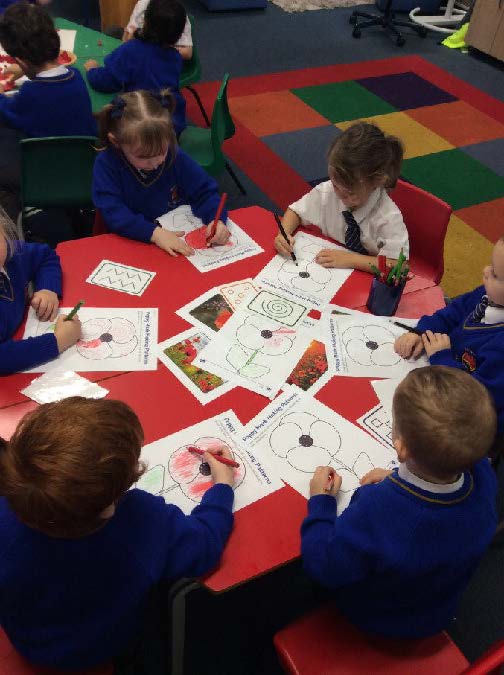
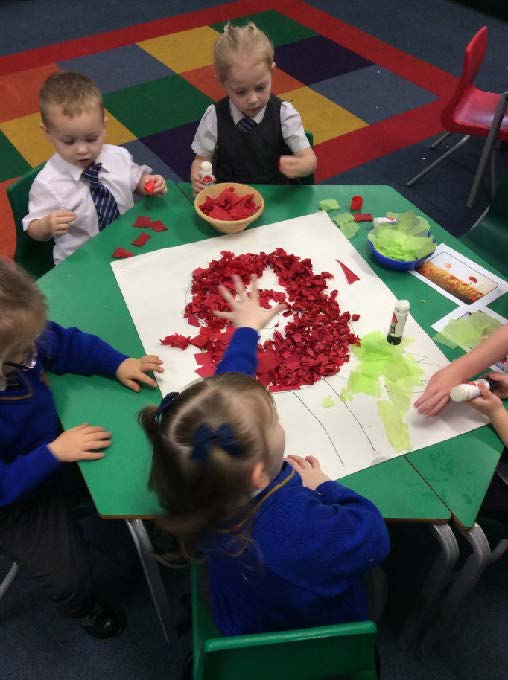
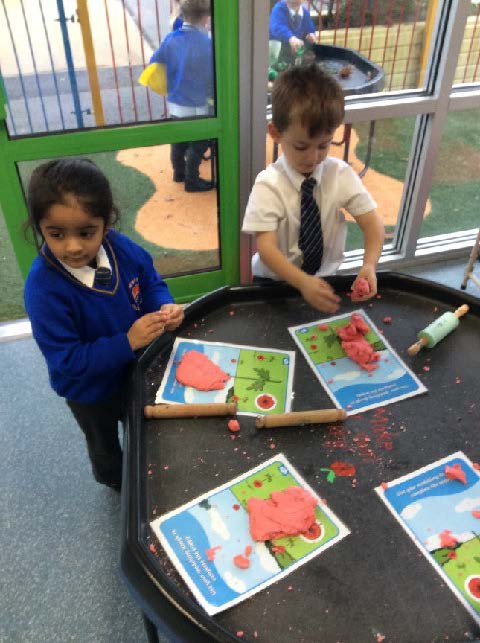
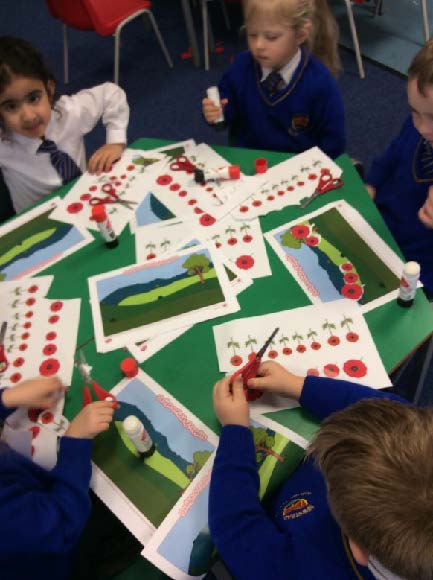
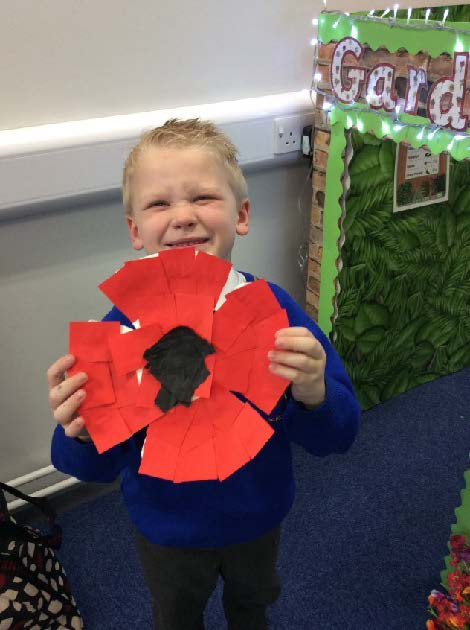
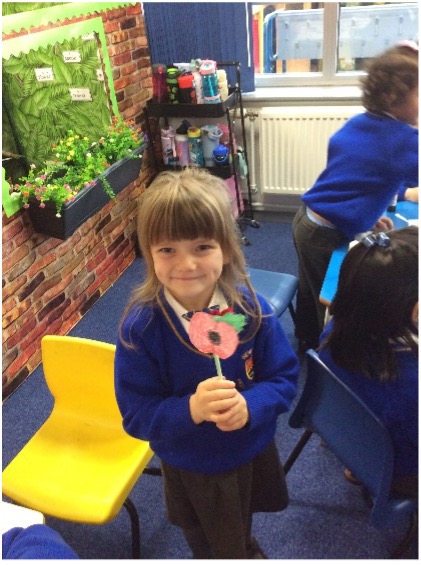
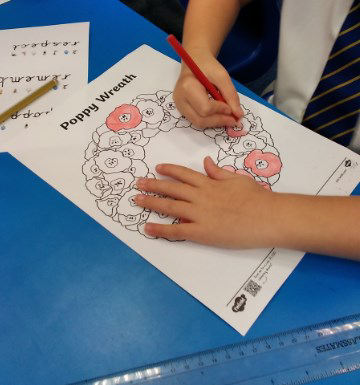
Today we have learnt lots about remembrance day. We have discussed what remembrance day is, why we wear a poppy and who we remember on remembrance day. We have created our own dove paintings to represent peace. Collaged our own poppies individually and made a large class poppy. We have made our own poppy using playdough, decorated a loose parts poppy as well as decorating a poppy will lots of different patterns.
Reception
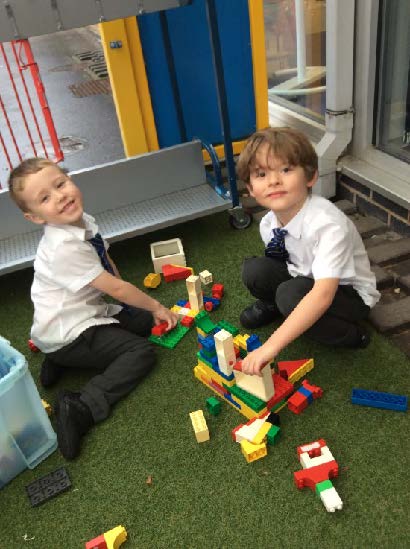
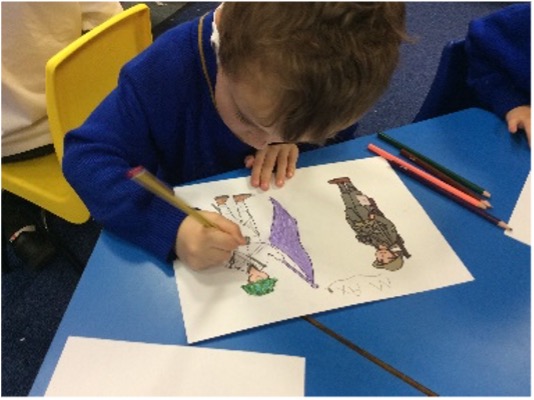
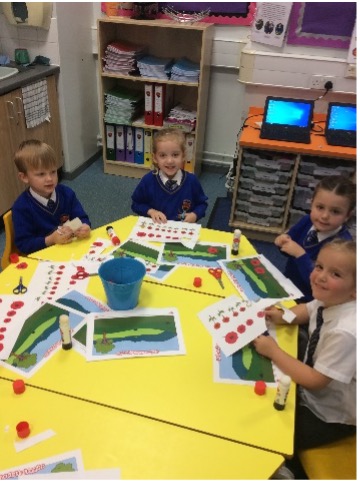
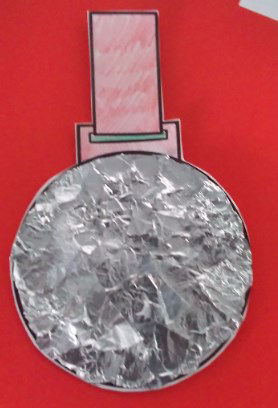
In RGC, we remembered all of the soldiers who sadly died or got injured in the war. We collaged our own poppies and we designed our own soldiers. The children created their own monument out of lego and we made medals for the soldiers using tin foil!

Year 1
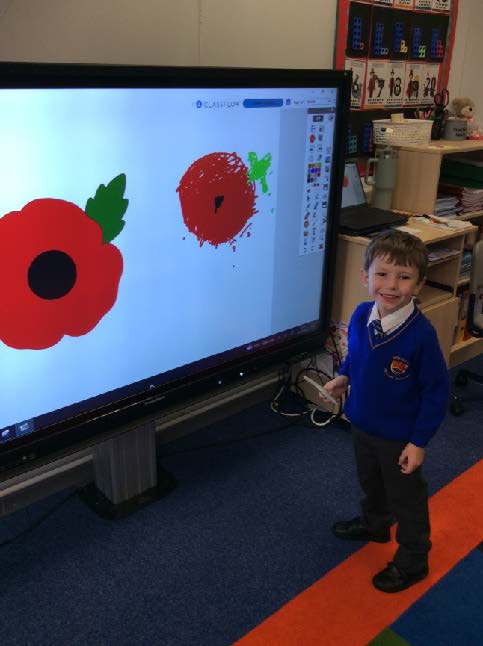
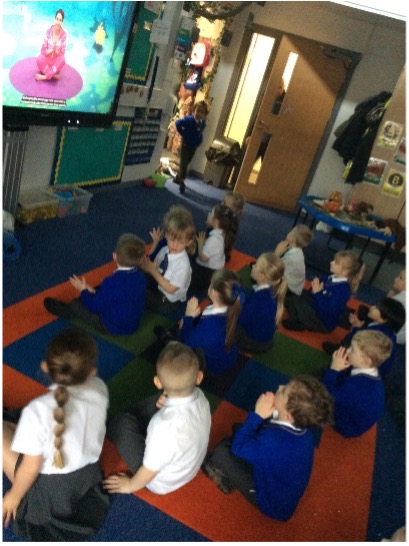
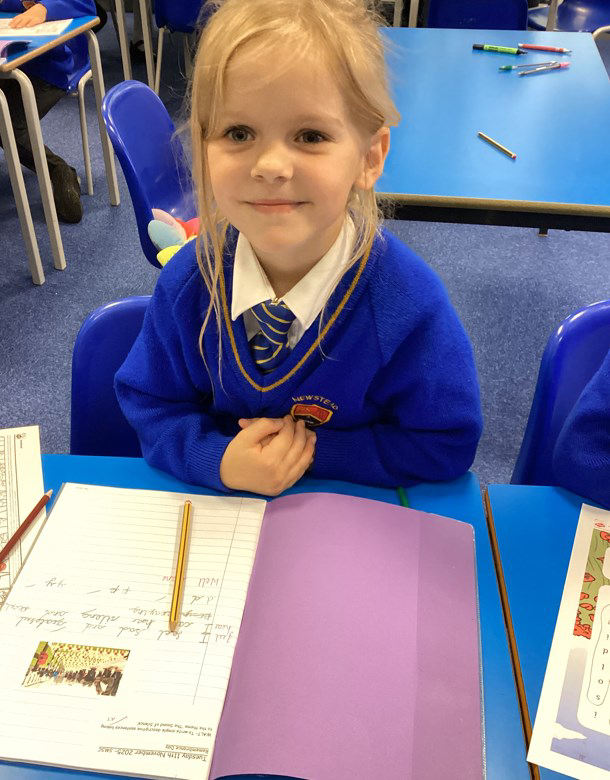
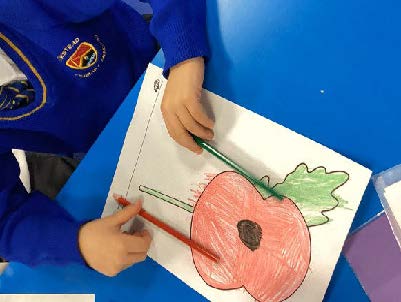
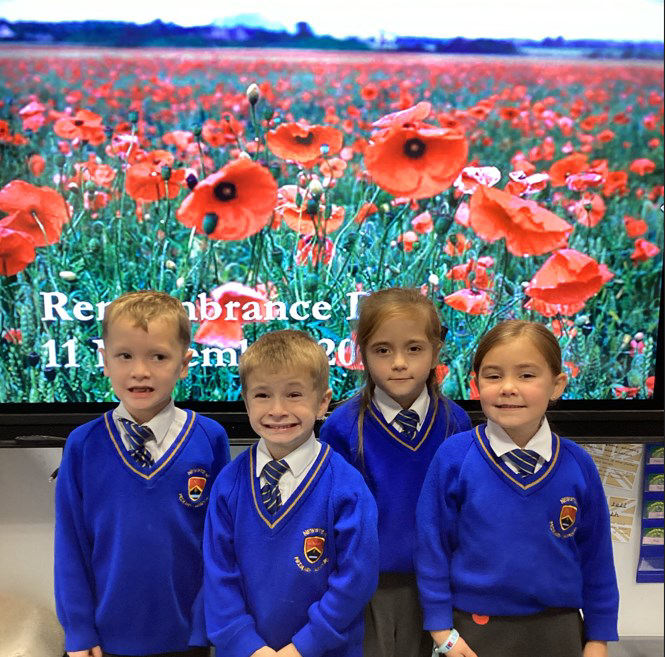
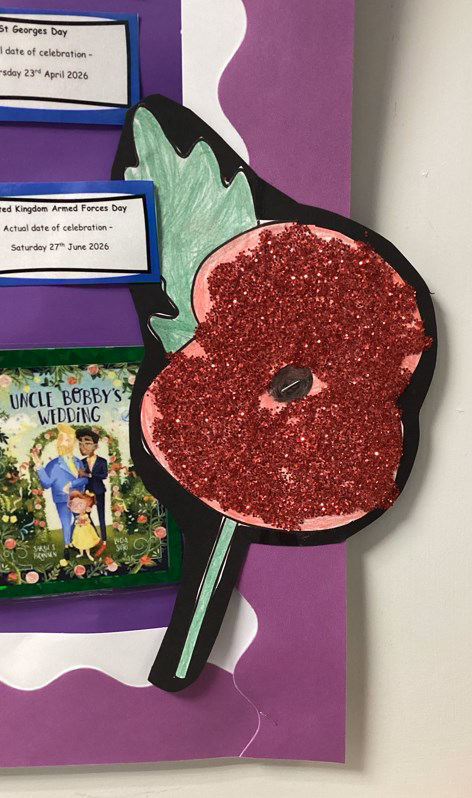
Today, the children have been learning about Remembrance Day. We introduced the idea that it is a special day to remember those who fought for our country and hold a minutes silence to show respect. The children wrote a piece of descriptive writing based on ‘The Sound of Silence’ and had a go at creating their own poppy whilst listening to a marching band.
Year 2
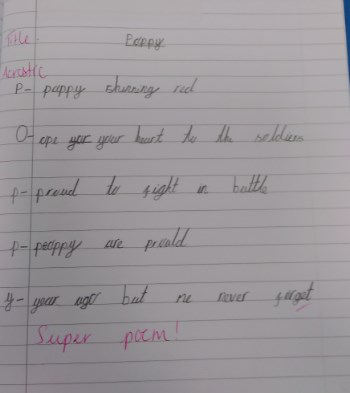
In Year 2, the children found out what Remembrance Day was all about and we discussed why people wore poppies. The children then created poems to celebrate Remembrance Day and they also had the opportunity to make medals to celebrate everyday hero’s.
Year 3
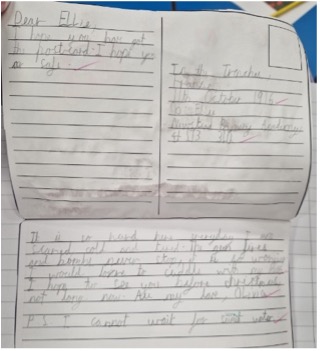
In Year 3 we learnt all about the war and who to remember through this time. We thought about who/what we could remember during our minute’s silences. That it was not just the soldiers who fought in the war but also to remember the families, the helpful animals, the doctors and nurses and the pilots. We then wrote a diary entry as if we were in the trenches and thought about how we would be feeling during that time. In the afternoon, we added some art work to the front of our postcards. We used coffee and teabags to stain the paper and add our picture/drawings on the top.


Year 4
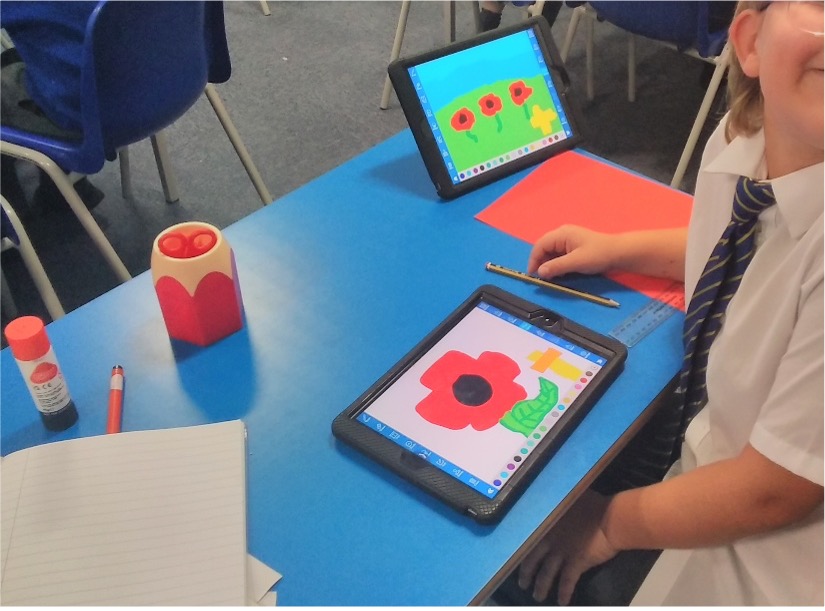
Today, Year 4 have learnt all about the importance of Remembrance Day and why we celebrate it. We have discussed the sacrifices that others have gone through to allow us to live the lives we do today. We worked collaboratively to create a poppy wreath saying thank you to those that support us and keep us safe. We have also created digital art of different Remembrance imagery using our Computing skills.

Year 5
Year 5 have been learning about the importance of Remembrance Day. The children wrote heartfelt letters to future generations, reflecting on why it’s important to remember those who sacrificed so much for our freedom. They also created beautiful poppies to accompany their letters, symbolising peace, respect, and remembrance.


Year 6
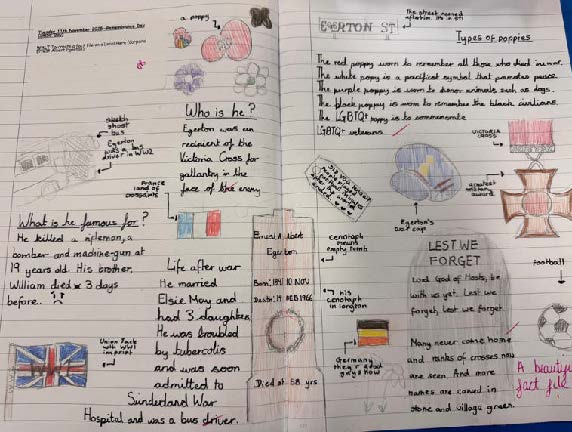
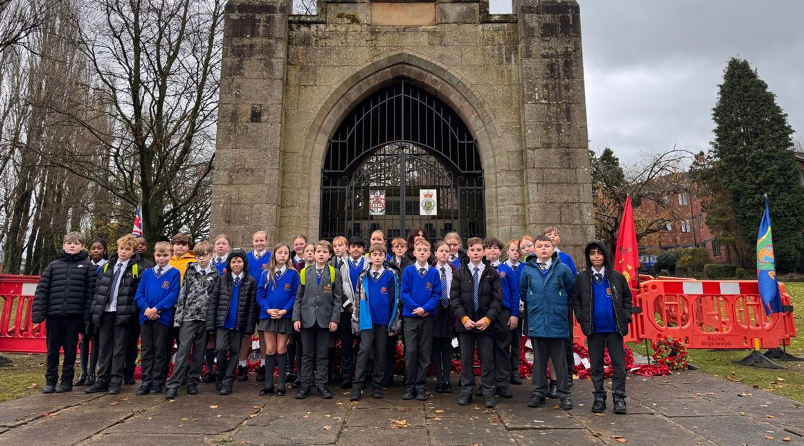
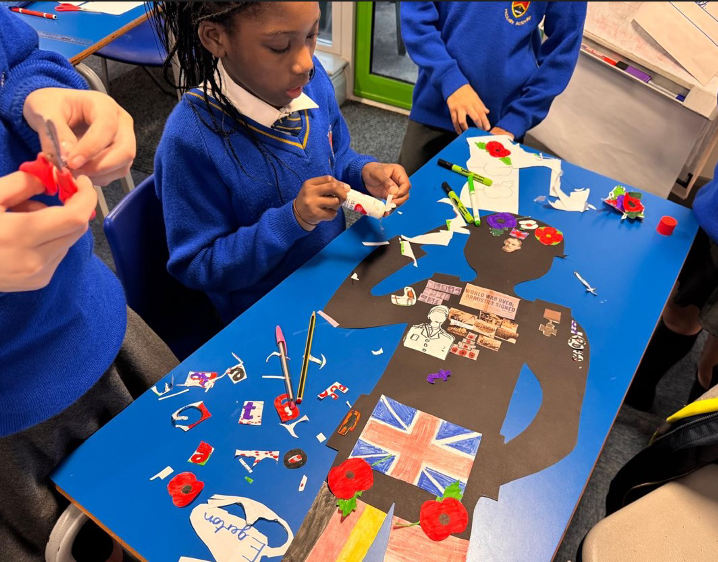
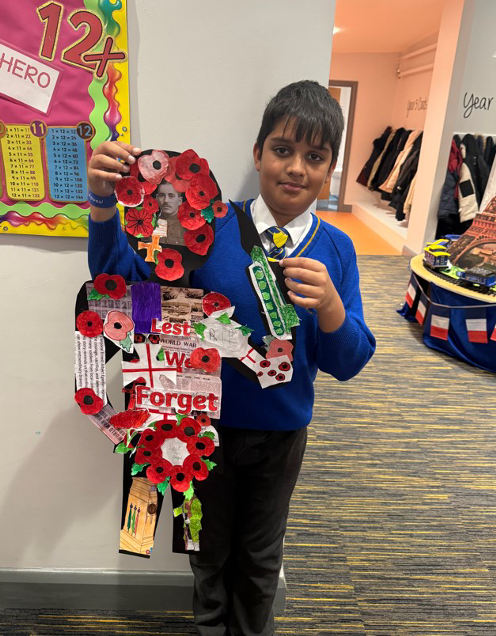
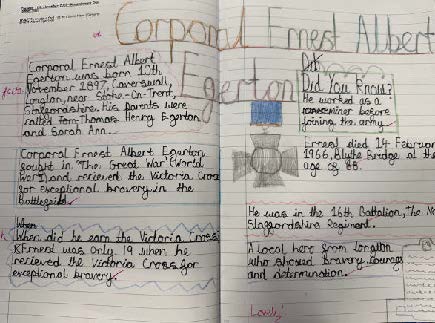
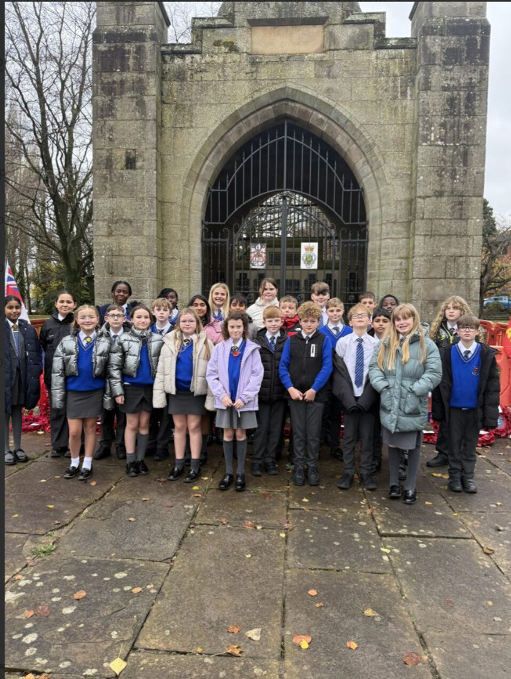
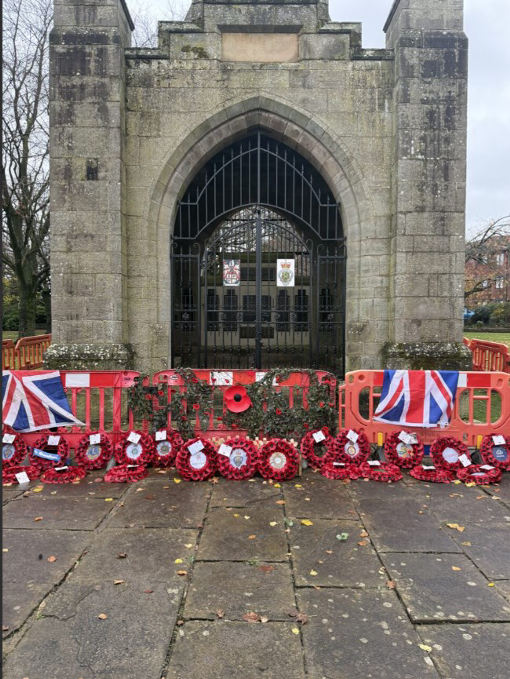
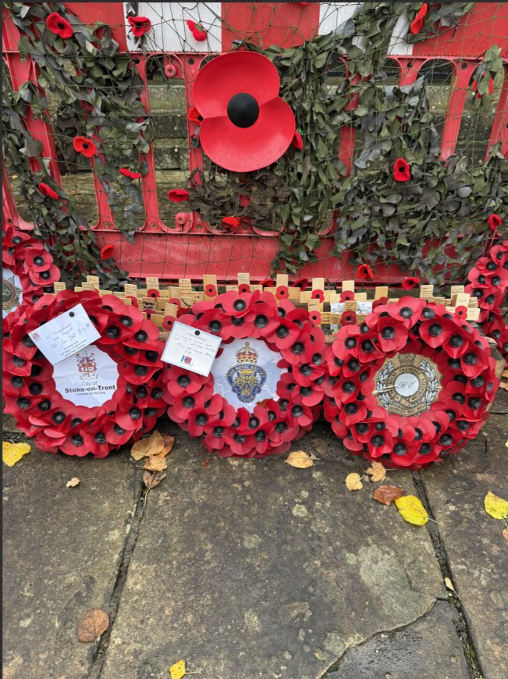
Year 6 have had a wonderful day, immersing themselves into their learning of Remembrance Day. The children started the day by researching local War Hero ‘Ernest Albert Egerton’ before creating a fact file on his life and war achievements. We then created a collaborative art piece, in the shape of a Tommy Solider. During the afternoon, we visited the Longton Cenotaph.
Shrove Tuesday - 17th February
Nursery
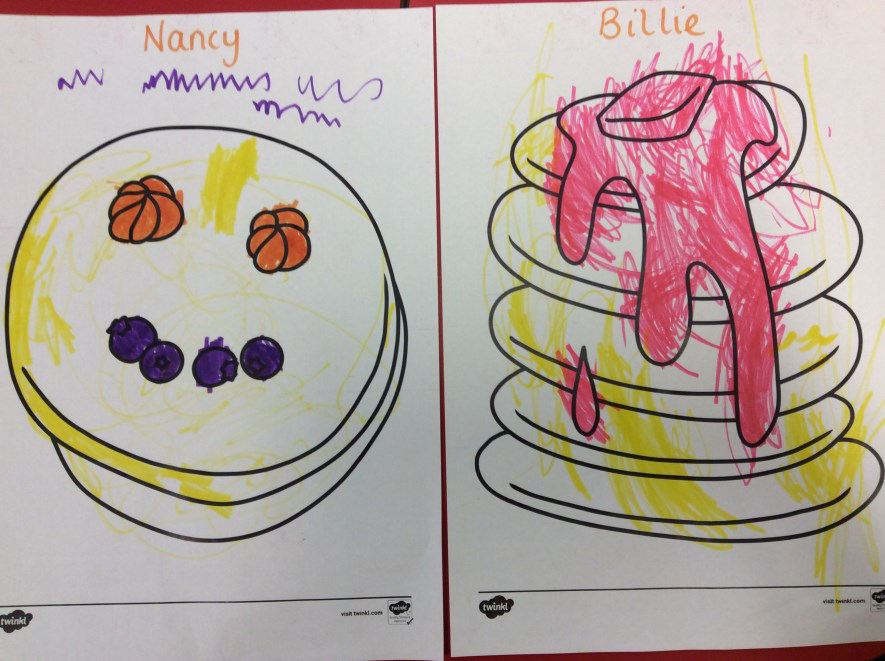
We have learnt lots about Shrove Tuesday, including who celebrates it, what lent is and how Christians prepare for lent and the importance of sharing, forgiveness and being kind.
Nursery have participated in lots of creative activities this morning. We have created our own pancakes using playdoh, created loose part pancakes, sponge painted and coloured our personal favourite pancakes. We have loved exploring how pancakes are made.
We have also had lots of discussions about being kind including how to be a kind friends, how to help people and the importance of sharing.


Reception
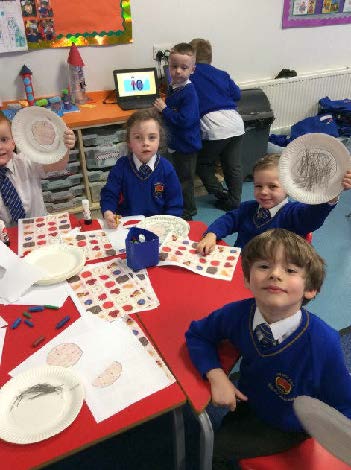
Today in Reception we looked at the importance of Shrove Tuesday, the real meaning behind it and how it links to Lent. We had a writing focus of “on Shrove Tuesday I like to…”. We made pancakes using paper plate frying pans and we sequenced a recipe for making pancakes. The children took part in role play activities and we had a tea party making and sharing our pancakes with one another!




Year 1
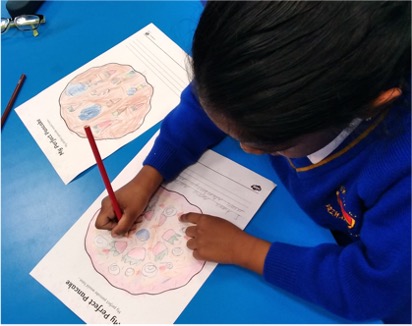
Today, the children have been learning about Shrove Tuesday. We spoke about the history behind the celebration and reasons for making pancakes. We then wrote some instructions for pancake making. Finally we made our very own pancake collage using mixed media and tested a range of toppings.


Year 2
In Year 2, the children found out what pancake day is and how it is celebrated. They explored the reasons behind the tradition and discussed how people celebrate it around the world. As a part of their learning, the children decorated their own pancakes and then wrote clear instructions explaining how to make a pancake, using sequencing words and imperative verbs. This helped them develop both their understanding of the celebration and their instructional writing skills.

Year 3
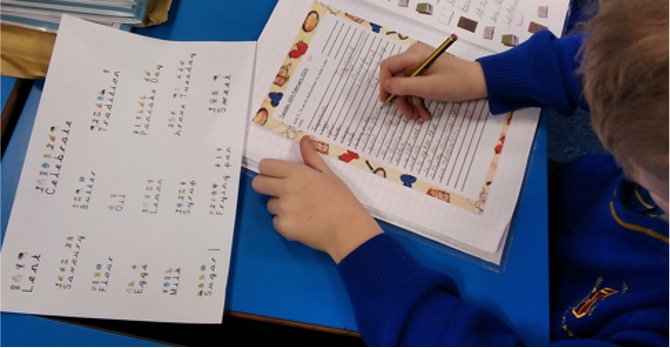
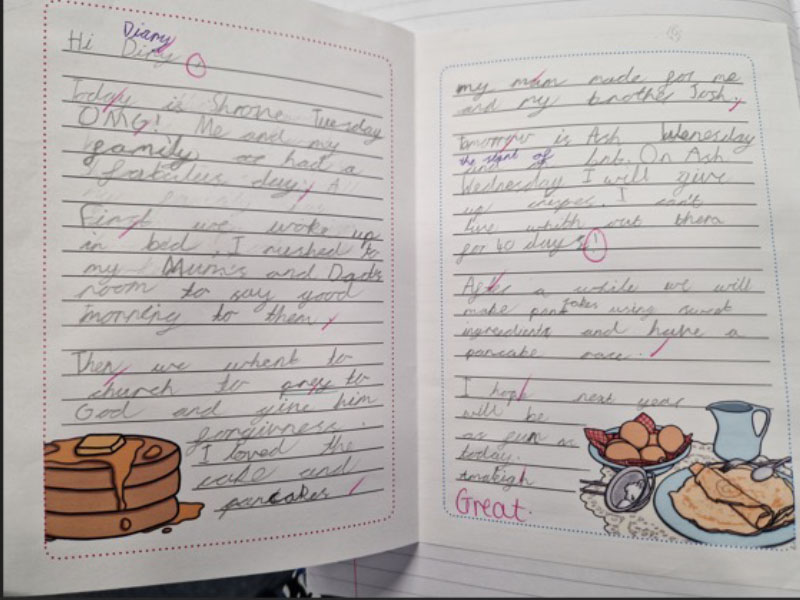
In Year 3 today we learnt all about Shrove Tuesday. We learnt about the reasoning behind these days and the traditions that have followed on for many years. We answered questions such as; What is Lent? What is Shrove Tuesday? What is Ash Wednesday?
We wrote a diary entry ‘A Day in the life of a Christian on Shrove Tuesday’. We focussed on feelings and reflection they might experience throughout the day.
We then moved on to making a collaborative piece for the classroom display. A Forgiveness paper chain. This was where children reflected on their own lives and experiences and used this time to say sorry and ask for forgiveness during times, they may have done wrong. We joined it together as a class and displayed this as a reflection of our day.



Year 4
Today, we have creating symbolic art based on the values Christians show during Shrove Tuesday. We looked at the timeline of events from Shrove Tuesday to Easter and also discussed what we would give up Lent.


Year 5
Year 5 have explored the Christian tradition of giving something up for Lent and used this as the basis for writing persuasive speeches.
They began by learning about why Christians choose to give up certain things, such as sweets or screen time, to reflect, show self-discipline, or help others. Then, they planned their speeches by deciding what they would give up and why it was important.
Finally, the children wrote persuasive speeches, using clear reasons, emotive language, and examples to convince others that giving something up for Lent is meaningful. Some even practiced reading their speeches aloud to make their arguments more engaging.
Year 6
Year 6 have had a wonderful morning, immersing themselves into their learning of Shrove Tuesday. The children started the day by looking at why Shrove Tuesday is celebrated and the different traditions in other countries. We then reflected on what we could change to become better people. Finally we designed our own pancakes where the toppings symbolised positive personal qualities such as kindness, respect, honesty, forgiveness, perseverance and teamwork.



Eid al Fitr - 20th March
Nursery
This afternoon the Nursery children have enjoyed learning about Eid, focusing on the values of forgiveness, gratitude and generosity. Through discussions and simple stories, they explored how people show kindness and appreciation. The children took part in creative activities, including making colourful sun catchers, which supported their engagement and understanding. The activities all encouraged sharing, positive interactions and developed our awareness of different celebrations.




Reception
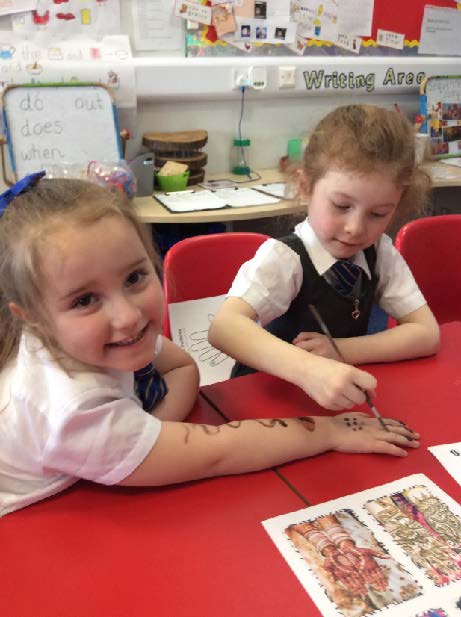
This afternoon, in Reception we looked at why Eid is celebrated by Muslims. We learned that it is the celebration after Ramadan. Families feast with their friends and wear new clothes. Muslims also have Henna, using Mehndi patterns.


Year 1
This afternoon Year 1 discussed what Eid Al Fitr is, and how it is celebrated. They had a go at decorating their own prayer mat using different traditional symbols that represent Eid.


Year 2
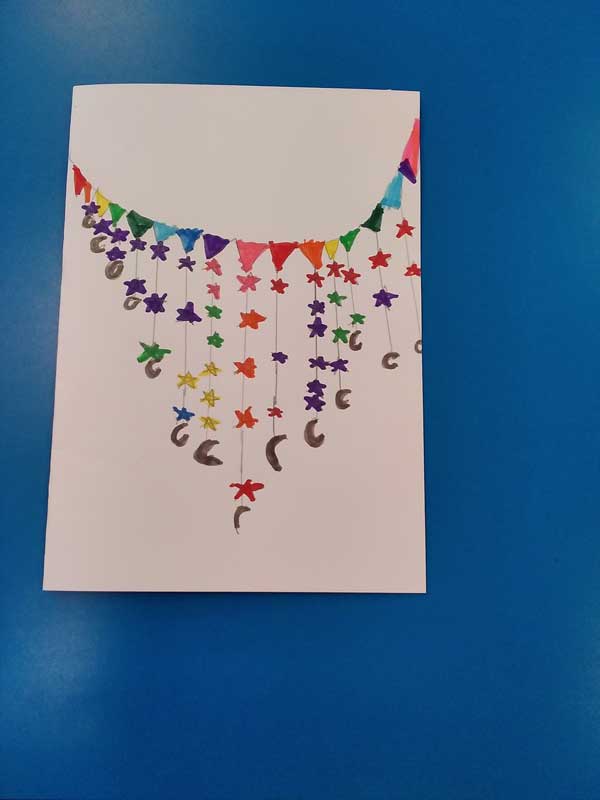
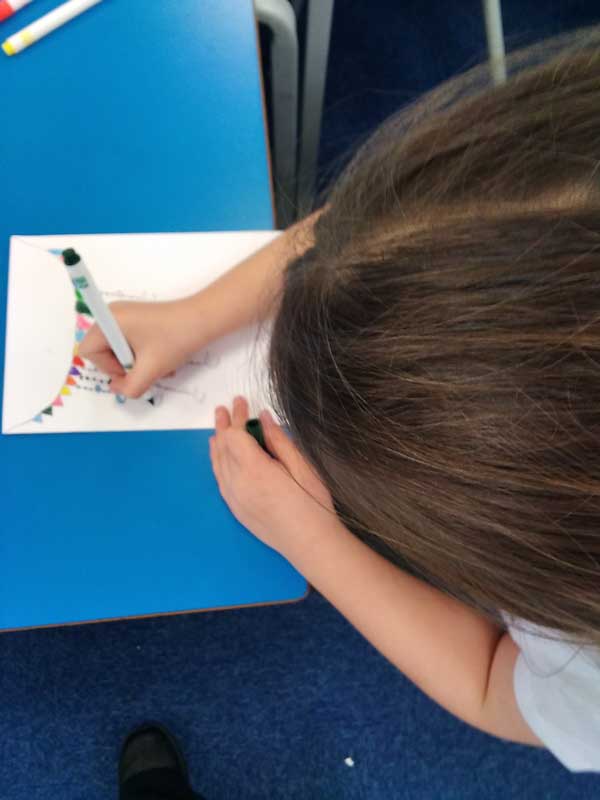
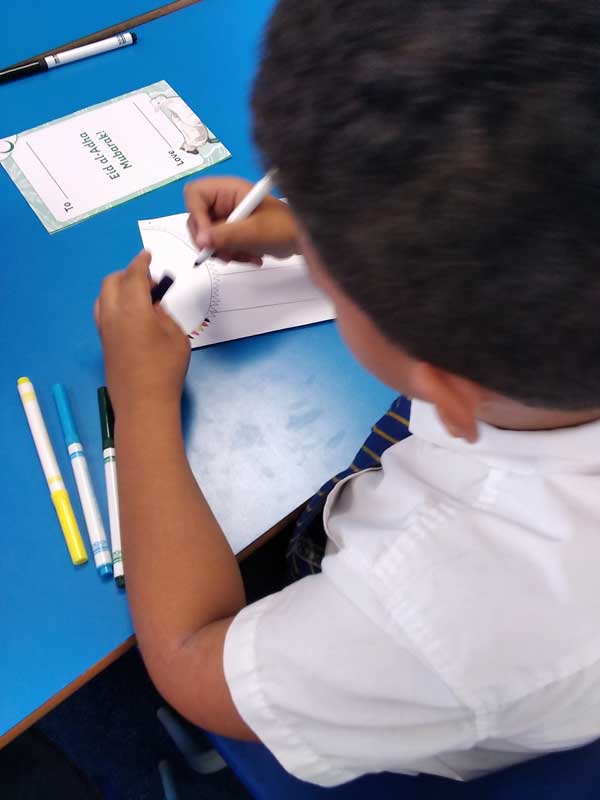
The Year 2 children learned about the celebration of Eid al-Fitr. We talked about why the festival is important for many Muslim families and how it marks the end of Ramadan. The children discovered that Eid is a joyful time when families come together to pray, share special meals, give gifts, and wish each other “Eid Mubarak.” To help them understand the celebration, the children created their own colourful Eid greeting cards. They decorated them with bright patterns, moons and stars, and wrote kind messages inside to wish others a happy Eid. The activity encouraged creativity while also helping the children learn about different cultures and celebrations. It was a lovely afternoon of learning, creativity, and thoughtful discussion, and the children were proud to share their beautiful cards with one another.


Year 3
In Year 3, we discussed; What is Eid Al-Fitr? Why it is considered the festival of breaking the fast? Strengthening family bonds, give to the less fortunate (Zakat - one of the Five Pillars) and the themes of forgiveness, gratitude and generosity. Our writing focus was to create an information leaflet about how Eid is celebrated. We then got creative when focusing on designing and making an Eid gift box that could be gifted to family or friends during Eid. We linked all of our learning to generosity and how we can be kind to others.


Year 4
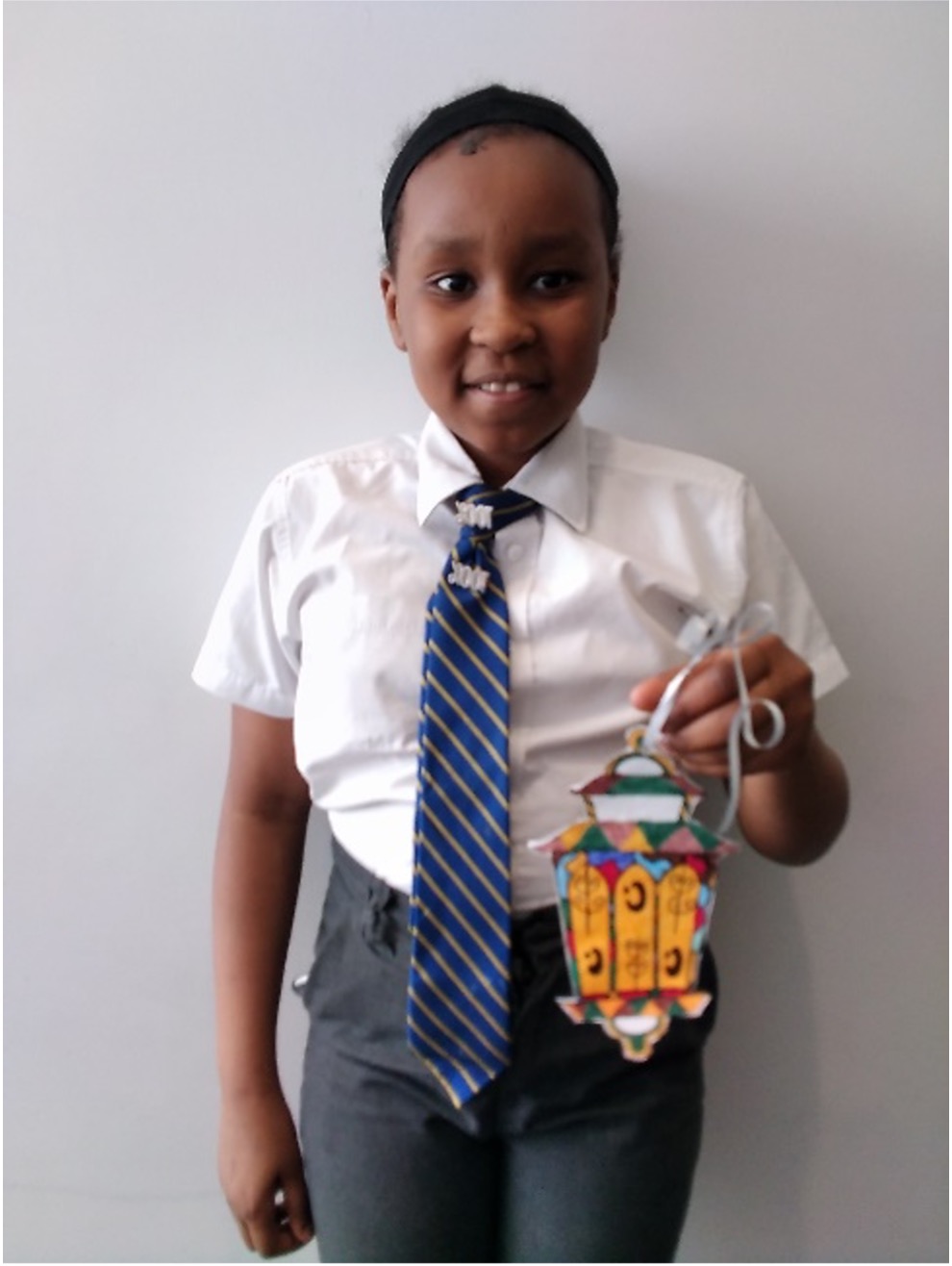
This afternoon, we discovered how Muslims celebrate Eid. Inspired by the Egyptian celebrations, we created lanterns to symbolise hope, unity and light in the darkness. This is because Muslims see Allah as a guiding light and a representation of the good in the world.


Year 5
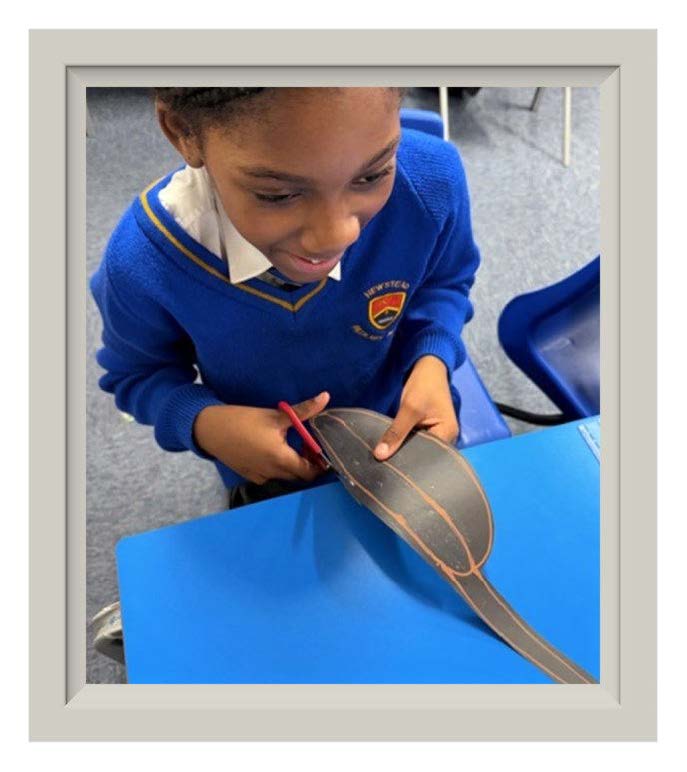
Year 5 have explored the Islamic tradition of Eid. They began by learning about Ramadan which is the month leading up to Eid. They look out for the first crescent moon and then Eid is celebrated the day after. They celebrate with family time, meals together and giving gifts. We then looked at the meaning behind the symbol of the crescent moon and stars. Year 5 then went on to make our own star and crescent moon. Take a look!


Year 6
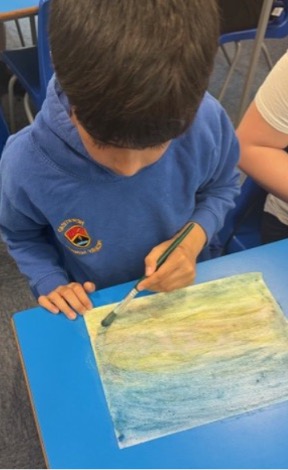
As part of our SMSC afternoon, Year 6, explored the theme of diversity through an art activity linked to Ramadan and Eid. Children created a mosque silhouette, inspired by Islamic architecture, using blended water colours to create a vibrant background. This approach encouraged pupils to experiment with colour blending techniques to achieve a sunset effect, symbolising reflection and celebration during this important time. Children reflected on the meaning of Ramadan and Eid for Muslims around the world, developing an appreciation for different beliefs and traditions.




St George's Day - 23rd April
Nursery
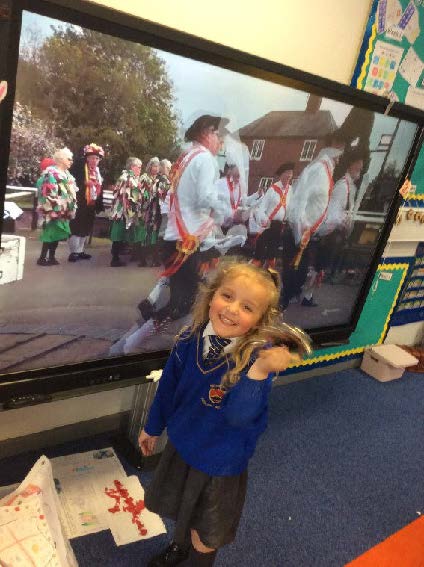
Today Nursery have been learning all about St George’s day. We have been exploring what the dragon looks like using mark making, loose parts and imaginative play and have been expressing our own designs for dragons using the creative area to paint, draw and verbally describe our dragons. Nursery have had lots of fun exploring the story of Saint George and the Dragon, we have shared a group story time and participated in our own story telling and role play.


Reception
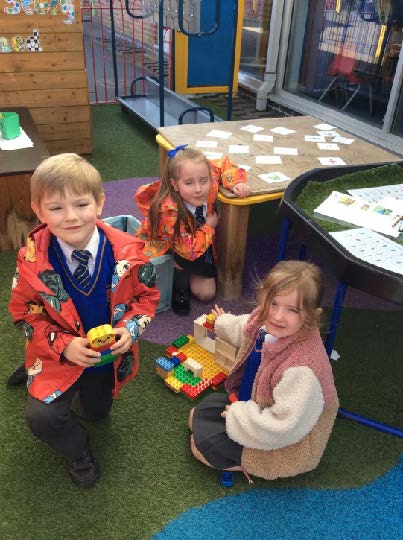
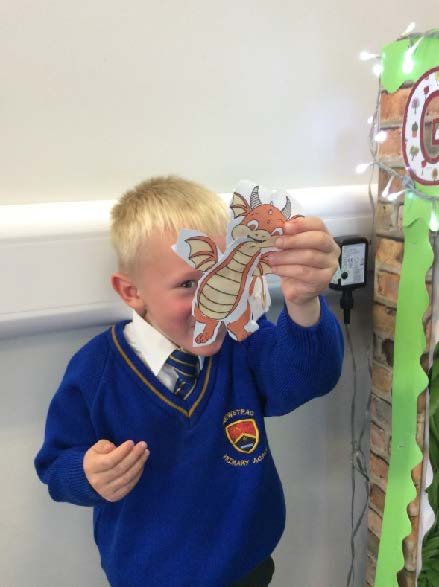
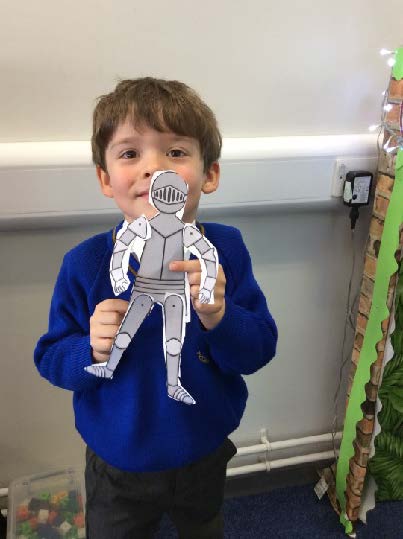
In Reception we have looked at who St. George was and why he was important! We looked at how people in England celebrate and we looked at the St. George’s cross. We made our own dragons and soldiers. We built a castle and collaged our own flags!




Year 1
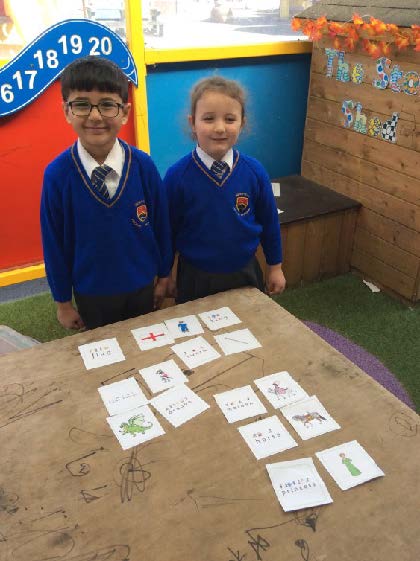
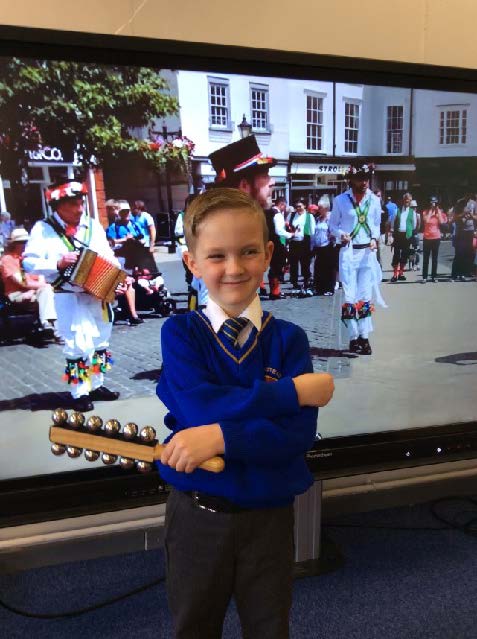
Today Year 1 have discussed what St Georges Day is, and how it is celebrated. In the afternoon they had a go at creating their own dragon using a range of different materials.


Year 2
During our SMSC Day celebrating St George’s Day, the Year 2 class took part in a range of creative and engaging activities that brought the legend of St George to life. The children began by learning and retelling the story of George and the Dragon, using their writing skills to create their own versions of the tale. They then worked collaboratively to act out the story using puppets, showing great imagination and teamwork as they performed for one another.
Later in the day, the class became detectives, decoding a series of clues to solve the mystery of who had stolen George’s sword. This activity encouraged problem-solving, communication, and perseverance as they worked together to crack the case. To finish the day, each child designed and created their own shield, carefully choosing colours and symbols to represent their personality, interests, and values.
Throughout the day, the children demonstrated creativity, cooperation, and enthusiasm, while developing a deeper understanding of cultural traditions and the importance of bravery, kindness, and identity.


Year 3
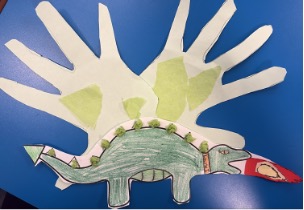
In year 3, today we have spent time discussing the story of St George’s Day. We focused on who St George was, why he was important and how the day is celebrated by lots of people. We retold the story by creating storyboard spinners and then created 3D dragons.



Year 4
Today in Y4, in we have spent time discussing St George’s Day and why it is a national day in England. We have also discussed how St. George’s day is celebrated around the world. Together we read the story of St. George and wrote our own description of the dragons cave. During the afternoon, we created our own picture of George and the dragon using different media to create mood.


Year 5
Today during SMSC Day, Year 5 learned about St George’s Day, exploring who Saint George was and the legend of St George and the Dragon. The children discussed whether the story is fact or fiction and what it teaches about bravery and perspective. The children explored the idea of different viewpoints by rewriting the story from the dragon’s perspective, using descriptive and figurative language. They then created comic strips to retell their version of the story, showing key events and emotions. At the end of the day, the children completed a quiz to check their understanding of key facts about St George and how the day is celebrated. The day promoted creativity, empathy and an understanding of English heritage and traditions.


Year 6
As part of our SMSC St George’s Day celebrations, Year 6 explored the famous legend of St George and the dragon.Children took part in a balanced argument discussing the key question: “Was St George right to slay the dragon?”
They considered both sides carefully, linking their responses to Our British Values and SMSC. It was fantastic to see everyone engaging respectfully and developing their own viewpoints. Following this, the children applied their learning creatively by producing mixed-media artwork. They designed their art work using silhouettes, layered backgrounds, and collage techniques to represent the dramatic battle between St George and the dragon.


Armed Forces Day - 27th July
Nursery
Today in Nursery we have learnt a lot about the Armed Forces as well as the importance of courage and resilience. We have been discussing how we can be kind and how we can look after people around us. We have been very creative today, we have created our own kindness medals to give to our friends, we have decorated our own pictures with a camouflage pattern and lots more.


Reception
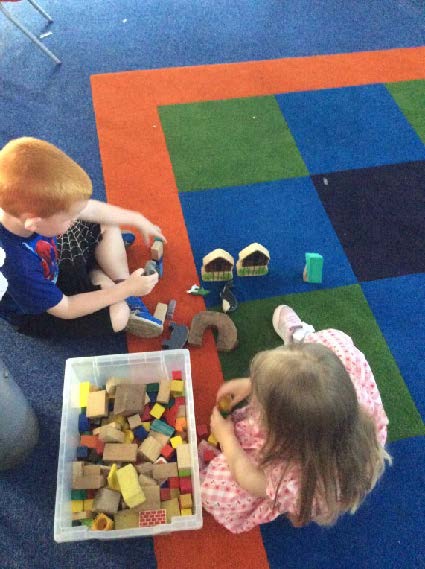
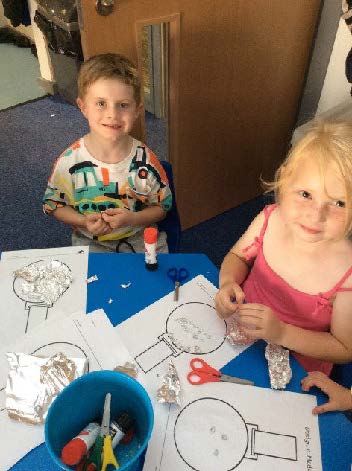
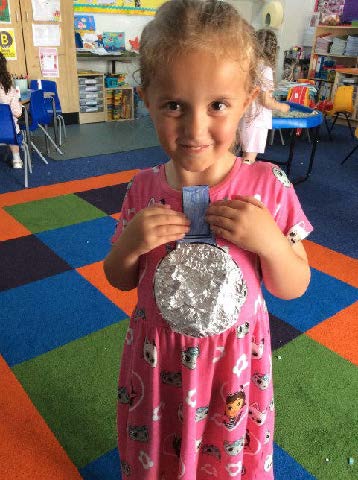
We looked at why the Armed Forces are important and we looked at different roles in the Armed Forces. We wrote thank you cards to them, we made some medals and we built a look out tower out blocks! We followed a map of our playground to try and find the hidden star.



Year 1
In year 1 today, we have explored ration packages! We started the day off by writing our very own set of instructions to pack our emergency wartime ration pack. This afternoon we even had a go at making our own ration package! We discussed that food options are better now than in the past.


Year 2
Year 2 took part in a range of activities linked to Armed Forces Day in the United Kingdom. The children learned about the important role that members of the armed forces play and explored how they help and support people both in the UK and around the world.During the day, the children discussed the values and qualities needed to serve in the armed forces, including courage, teamwork, respect, determination and responsibility. They reflected on why these values are important and considered how they can demonstrate them in their own daily lives.The children also explored the importance of communication within the armed forces. They enjoyed decoding secret messages and creating their own codes for their classmates to solve, developing their problem-solving and critical thinking skills.To conclude their learning, the children designed and created their own communication devices. This exciting challenge encouraged creativity, teamwork and innovation as they thought about different ways messages can be sent and received.


Year 3
In year 3 today, we have spent time discussing the importance of Armed Forces Day and why it is celebrated. We focused on creating an acrostic poem to thank and show awareness of the soldiers that fight today. After we designed parachutes for soldiers completing an emergence landing.


Year 4
Today in Year 4, we have learnt about the three branches of the Armed Forces – Army, Navy and RAF. We looked at the importance of maps and compasses and had a go at creating accurate maps of our local area. Then we completed compass themed art.


Year 5
As part of our Armed Forces Day learning, Year 5 explored the important role of the Armed Forces and discussed the qualities needed to be a soldier, including teamwork, resilience, communication and determination. They then wrote a speech detailing the qualities that would be needed for a soldier in the army. To put these skills into practice, the children worked in teams to design and build a bridge using limited resources. They showed fantastic cooperation, problem-solving and creativity, demonstrating how working together can help overcome challenges.


Year 6
As part of our Armed Forces Day celebrations, Year 6 spent the day learning about the important role of the Armed Forces and the values they demonstrate every day. Throughout the morning, children explored the qualities needed to overcome challenges and reflected on which characteristics are most important in difficult situations.
They discussed the importance of courage, resilience, teamwork, determination, leadership, respect and perseverance, considering how these qualities help people both in the Armed Forces and in everyday life.
In the afternoon, the children put these skills into practice by taking part in exciting escape room challenges. Working collaboratively in teams, they solved puzzles, cracked codes and completed problem-solving activities to 'escape' before the time ran out. These activities encouraged communication, critical thinking and cooperation under pressure.